

UP5 Armchair & UP6 Ottoman - 1969 Gaetano Pesce home about inventory kitchen contact
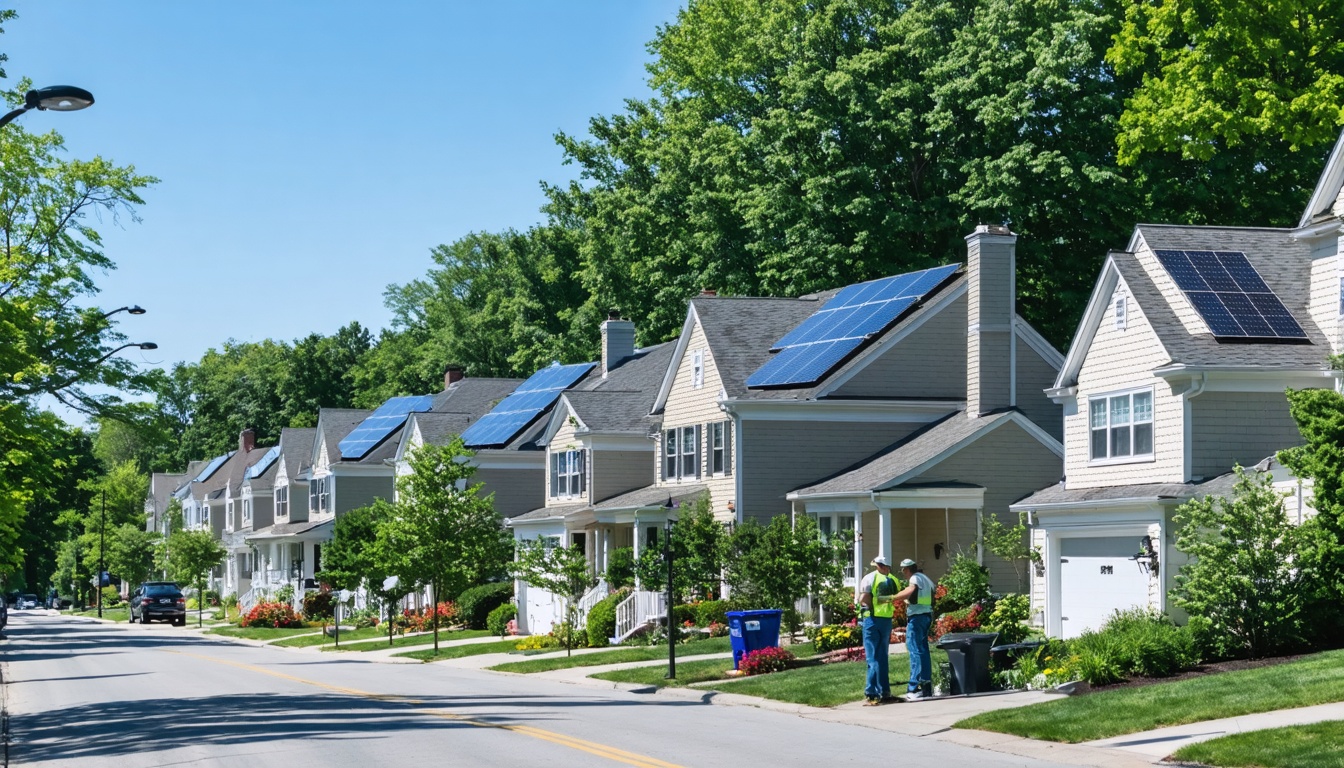
How Bridgeport, Connecticut Homeowners Can Make the Most of Their Solar Potential
Homeowners in Bridgeport, Connecticut, have a significant opportunity to improve their financial situation and enhance their property's value by considering solar energy. With the increasing costs of electricity and available state and federal incentives for solar installations, it is worth assessing whether a home is suitable for solar panels. However, navigating the options and understanding the associated financial implications can be challenging. To ensure that homeowners maximize their benefits from solar, it is advisable to begin by evaluating the suitability of their property, including factors such as roof orientation, shading, and available space. Next, homeowners should research various solar financing options, such as purchasing, leasing, or power purchase agreements (PPAs), to determine which model aligns best with their financial goals. Additionally, familiarity with local and federal incentives is crucial. Connecticut offers several programs, including the Solar Investment Program and the Connecticut Green Bank's Solar For All initiative, which can significantly reduce installation costs. Homeowners should also consider the long-term implications of solar energy adoption, such as potential increases in property value and savings on electricity bills over time. It is important to conduct a thorough cost-benefit analysis and consult with qualified solar providers to make an informed decision that aligns with their specific circumstances.
Solar Energy Trends and Performance in Bridgeport
Bridgeport, Connecticut, has an average of 4.5 peak sun hours per day, which, while not among the highest in the United States, still supports the feasibility of solar energy initiatives. The city ranks 11th nationwide in solar capacity, indicating a growing interest in residential solar panel installations.
Installing a 10 kW solar system in Bridgeport can potentially offset approximately 10 tons of carbon dioxide (CO2) emissions annually. Furthermore, utilizing solar energy can decrease reliance on local utility providers such as Eversource and United Illuminating, which may contribute to energy cost stability for residents.
Several local initiatives promote the adoption of solar technology. Programs such as Project SunBridge and Shared Clean Energy, along with efforts from the Connecticut Green Bank, aim to streamline the installation process for homeowners. For more information on local solar providers, visit https://solarpanelbridgeportct.com/.
Furthermore, state incentives, net metering at retail rates, and possible exemptions from sales and property taxes enhance the economic feasibility of solar investments, potentially allowing users to achieve savings from the start.
In summary, a combination of adequate solar conditions, available programs, and financial incentives creates a supportive framework for solar energy adoption in Bridgeport.
Understanding the Cost of Solar Panel Systems
Investing in solar panels requires careful consideration, especially for homeowners in Bridgeport, Connecticut. The average cost of a residential solar system in the state is approximately $28,049, which equates to about $2.97 per watt. This pricing is significantly higher than the national average.
Homeowners exploring financing options may consider programs like the LightReach lease, which can reduce initial costs, averaging around $135 per month. Alternatively, purchasing a solar system outright can provide immediate financial benefits. Those who pay in cash typically encounter a payback period of slightly more than seven years, which could result in lifetime savings estimated at around $128,000.
In addition to financing methods, homeowners should investigate various incentives available for solar installations, such as state tax exemptions and net metering programs offered by utilities like Eversource and United Illuminating.
These factors can have a considerable impact on the overall financial aspects of solar investments and contribute to a better understanding of the total costs involved in solar panel installations.
Financing and Leasing Options for Homeowners
A range of financing and leasing options exists for Bridgeport homeowners interested in solar energy. These programs enable access to solar technologies without requiring full payment of installation costs upfront. In Connecticut, the average cost of solar installation is around $2.97 per watt. Typical residential solar systems are designed to offset approximately double the national electricity rate, which can lead to significant reductions in energy bills over time.
Among the financing options available, the LightReach lease and Smart-E Loan for battery storage are notable programs supported by the Connecticut Green Bank. These initiatives aim to reduce initial financial barriers associated with solar installation. Additionally, homeowners who utilize these financing options may qualify for state and federal investment tax credits (ITC), although the details and availability of these credits can vary and should be confirmed for the most current information.
For those considering the outright purchase of a solar system, cash purchases may result in quicker payback periods and the potential for substantial long-term savings on energy expenses. On the other hand, financing through monthly payment options enables homeowners to start benefiting from lower electricity costs immediately, while allowing them to distribute the financial burden over a more extended period.
Homeowners are encouraged to consult their utility providers and review specific programs and rates that may be available to them, as these can vary based on location and individual circumstances.
Navigating Electricity Rates and Utility Providers
Electricity bills in Bridgeport have seen an increase, largely attributed to Connecticut's comparatively high residential electricity rates, which rank among the highest in the United States. Utilities such as Eversource and United Illuminating are charging rates that can nearly double the national average, with current prices estimated at around 28.8¢ per kilowatt-hour.
For homeowners seeking to reduce their electricity expenses, the installation of solar panels offers a potential solution. By implementing a solar system sized to meet your household's electricity demands, homeowners can begin to experience savings from the outset. This strategy can lead to decreased reliance on the grid and may also qualify homeowners for net metering, which could enhance the financial advantages associated with solar energy.
Moreover, options like battery storage systems, outright purchases, or lease agreements such as LightReach provide various alternatives to suit differing financial circumstances and preferences.
Engaging with your utility provider is recommended to obtain detailed information regarding current electricity rates and net metering tariffs, as this knowledge can significantly inform decisions related to energy consumption and investments in solar technology.
Connecticut Solar Incentives and Rebates
Connecticut provides a variety of incentives and rebates aimed at promoting solar energy adoption among homeowners, particularly in Bridgeport. Key programs include a 100% sales tax exemption on solar panel purchases and property tax relief, which prevents home values from increasing due to the installation of solar systems.
The Residential Renewable Energy Solutions program, administered by Eversource and United Illuminating, offers net metering benefits. Homeowners are credited for surplus electricity generated by their solar systems and sent back to the grid, which can help offset their utility bills.
The Energy Storage Solutions Battery program encourages homeowners to install energy storage systems, allowing them to store energy for later use and reducing dependence on the traditional electric grid.
The Smart-E Loan program, facilitated by Green Bank, also aids homeowners in accessing financing for solar installations by providing flexible loan options.
These incentives collectively enhance the economic viability of adopting solar energy in Connecticut by reducing upfront costs and ongoing utility expenses.
Examining Solar Production and Seasonal Variations
The performance of solar panels is influenced by the availability of sunlight, making it essential to evaluate how the climate in Bridgeport affects solar energy production. In Connecticut, homeowners can typically expect an average of 4.5 peak sun hours per day.
Solar energy systems generally perform at their best during the summer months, when the extended daylight hours can lead to increased energy output. For instance, solar energy generation in July can be nearly double that of the output seen in winter months.
Throughout the winter, even in December, a properly sized 10 kW solar installation can still provide significant assistance in meeting heating demands, demonstrating the value of solar energy across all seasons.
Connecticut offers various state incentives to promote solar energy adoption. Programs such as the Connecticut Green Bank and net metering allow homeowners to decrease their reliance on the electric grid and reduce energy expenditures, while also contributing to environmental goals like offsetting approximately 10 tons of CO2 emissions annually.
Homeowners in Bridgeport have financial options available for solar system investment, including leasing models such as LightReach and cash purchase agreements, which offer various pathways for integrating solar energy solutions.
Assessing the Impact on Home Value and Savings
Installing solar panels in Bridgeport offers several tangible financial benefits for homeowners. In Connecticut, homeowners can expect monthly savings averaging around $293 on their electricity bills. Over a period of 25 years, this savings amounts to approximately $128,000, primarily due to the state's relatively high electricity rates.
Additionally, the installation of solar panels can potentially increase a home's market value by approximately 4%. It's important to note that Connecticut's property tax exemption policy prevents this increased value from affecting homeowners' tax assessments.
Moreover, there are various state incentives available that can further reduce installation costs. These include a sales tax exemption and programs administered by the Connecticut Green Bank, Eversource, and United Illuminating.
These incentives can enhance the financial viability of residential solar systems by improving the overall return on investment. In summary, transitioning to solar energy can yield significant energy savings, promote stability in home values, and provide favorable financial outcomes for homeowners.
Customer Experiences with Solar Installations in Bridgeport
Feedback from Bridgeport homeowners indicates a generally favorable perspective regarding solar installations. Residents have highlighted effective communication from service providers and the consistent performance of their solar systems as key factors contributing to their overall satisfaction. Notably, companies such as Palmetto have received recognition for facilitating the installation process and for their dependable support throughout.
Financial savings associated with solar energy are a primary concern for homeowners. Reports show that many residents achieve monthly savings that surpass the state average for Connecticut. Customers are able to offset their electricity costs at a rate approximately double the national average per kilowatt-hour.
The adoption of solar panels, along with battery storage systems and automation technology, has further enhanced energy independence, leading to reduced dependence on the electrical grid.
Several elements contribute to the financial viability of solar installations for residents, including net metering, state incentives, tax exemptions, and programs like Project SunBridge. These initiatives have been instrumental in facilitating immediate cost savings upon implementation, thereby enhancing the overall feasibility of solar energy for many homeowners in the area.
Conclusion
Bridgeport homeowners considering solar energy can benefit from various practical advantages, including potential reductions in utility bills, increases in property value, and contributions to local clean energy initiatives. The availability of state and federal incentives can further enhance the financial feasibility of such an investment. Homeowners have access to several financing options, including loans and leases, which can make the upfront costs of solar installations more manageable. Additionally, community solar programs offer an alternative for those who may not have suitable roofing or who prefer to invest in shared solar arrays. By exploring these options and understanding the intricacies of solar energy systems, homeowners in Bridgeport can maximize their benefits while also contributing to a broader shift toward sustainability in the region. It is also important for homeowners to consider the potential for long-term savings, as solar energy can help mitigate the impact of fluctuating utility rates over time.